
In the Mauritian real estate sector, obtaining environmental certification has become both a mark of prestige and concrete evidence of environmental commitment.

These certifications offer tangible benefits: energy savings, increased well-being, and enhanced property value. Obtaining environmental certification also has a significant economic impact on the associated real estate projects. In Mauritius, certified buildings typically enjoy higher resale values, greater attractiveness to international investors, and above-average rental yields. These labels have become a decisive criterion for buyers increasingly sensitive to environmental impacts, serving as strategic levers that will undoubtedly accelerate the adoption of sustainable practices.
Our partners speak out…

Anielle Carver, Sustainability Lead at ENL Property:
“Moka Smart City holds the Tree City of the World certification, and several Oficea buildings are already LEED BD+C certified. We aim for LEED (ND) certification for our Telfair city centre and LEED (Homes) certification for a residential project, which would be a first for Mauritius. In 2024, we also won the PWC Sustainability Awards and Environmental Awards. These certifications ensure greater energy efficiency, reduced carbon footprint, better water resource management, biodiversity preservation, and enhanced urban quality of life, thus strengthening our positive ecological impact. The multitude of environmental certifications can create confusion for customers who struggle to identify the most relevant ones. Operationally, challenges include resistance to change in a traditional sector, high costs, and the necessity for innovation. To address this, we integrate technological innovations like digital tools for project management and promote continuous training based on best practices, thereby facilitating adoption and democratisation of these certifications.”
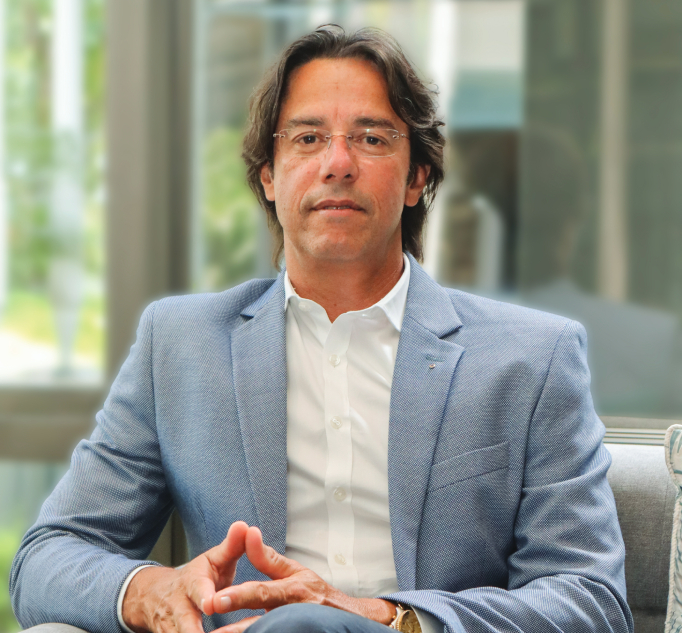
Yann Gellé, Sales Director at Semaris Ltd.:
"Harmonie Golf Villas are the first ones in Mauritius to receive the EarthCheck Design Silver certification: a major recognition in sustainable construction. This distinction is based on passive architectural principles that minimise the project's environmental footprint while ensuring optimal comfort for residents. Building orientation, natural ventilation, the use of ecological materials, and optimised energy solutions to reduce electricity and water consumption are integrated from the design phase. The goal is to offer a more sustainable living environment without compromising the sophistication and modernity of the infrastructure. Integrating sustainable practices on a large scale presents significant challenges. It requires adapting international standards to local realities and managing the costs associated with these innovations. To facilitate certification adoption, we leverage local and international expertise and maintain constant dialogue with our partners. We firmly believe that luxury real estate and environmental responsibility can coexist."

Stephanie Domaingue, Property Executive (Development) at Anahita Beau Champ:
“The main environmental certifications applied to real estate in Mauritius include LEED, HQE, EDGE, and WELL Community. Anahita Beau Champ has obtained WELL pre-certification, distinguishing projects that clearly integrate comprehensive strategies for wellness, sustainability, and quality of life. The generalisation of ecological certifications in Mauritius faces several barriers: high investment costs, limited local availability of certified materials and expertise, and complex adaptation to climatic specifics. Raising awareness among industry stakeholders is also a crucial strategic lever. To obtain WELL Community certification, Anahita Beau Champ must meet stringent criteria, including air and water quality monitoring and access to local food. A boutique offering fresh fruits and vegetables will be integrated near residential areas, and air and water quality monitoring systems will be installed to ensure a healthy and sustainable living environment, placing residents' well-being at the heart of the project.”
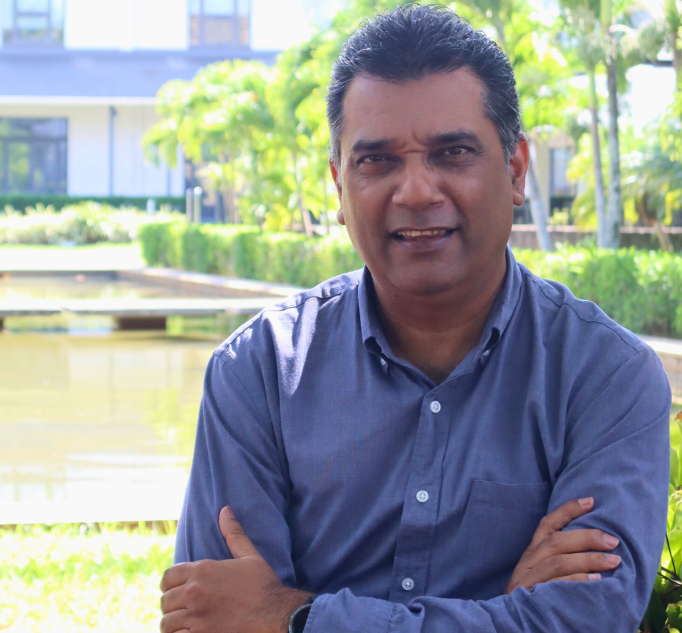
Pravin Hanuman, Senior Development Manager at Beau Plan:
“The environmental certifications available in Mauritius include Green Star SA, LEED, EDGE, and BREEAM. We have obtained EDGE certification for our buildings and now aim for Green Star 5/6 or LEED for our infrastructure. These certifications play a key role in transitioning to sustainable infrastructure by improving energy efficiency through technologies that reduce energy consumption, leading to significant operational savings. They also promote rational use of natural resources by encouraging sustainable materials and optimised water management. Additionally, they enhance occupant well-being by ensuring better indoor air quality and optimal thermal comfort. At the same time, they increase real estate asset value by making buildings more attractive to investors and ensuring better compliance with evolving environmental regulations. Despite challenges such as high costs and a shortage of local experts, we encourage specialised training and explore financing options like those from AFD and Sunref to facilitate access to these certifications.”