
Thinking of renovating? Learn how to make your home greener and more energy efficient. Our guide offers practical advice for creating a sustainable living space.

Eco-renovation explained
Eco-renovation is a sustainable, integrated approach that goes beyond reducing energy consumption and CO2 emissions. It takes a holistic view, considering the entire life cycle of materials used. By giving priority to eco-friendly materials such as certified timber, local stone, raw earth, or recycled materials, eco-renovation reduces environmental impact, cuts construction waste, and promotes better indoor air quality.
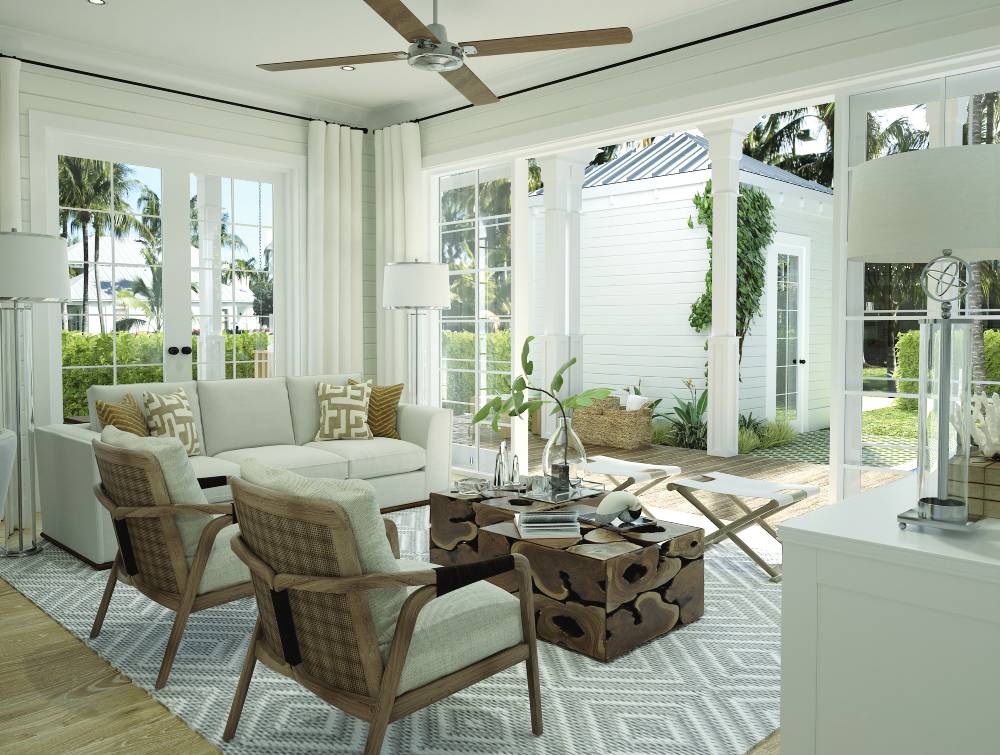
This sustainable strategy is particularly appropriate for Mauritius, where the tropical climate enables natural solutions such as passive ventilation and effective thermal insulation. By decreasing dependence on energy-draining air conditioning systems, eco-renovation provides a real solution to climatic challenges, ensuring comfortable indoor conditions throughout the year.
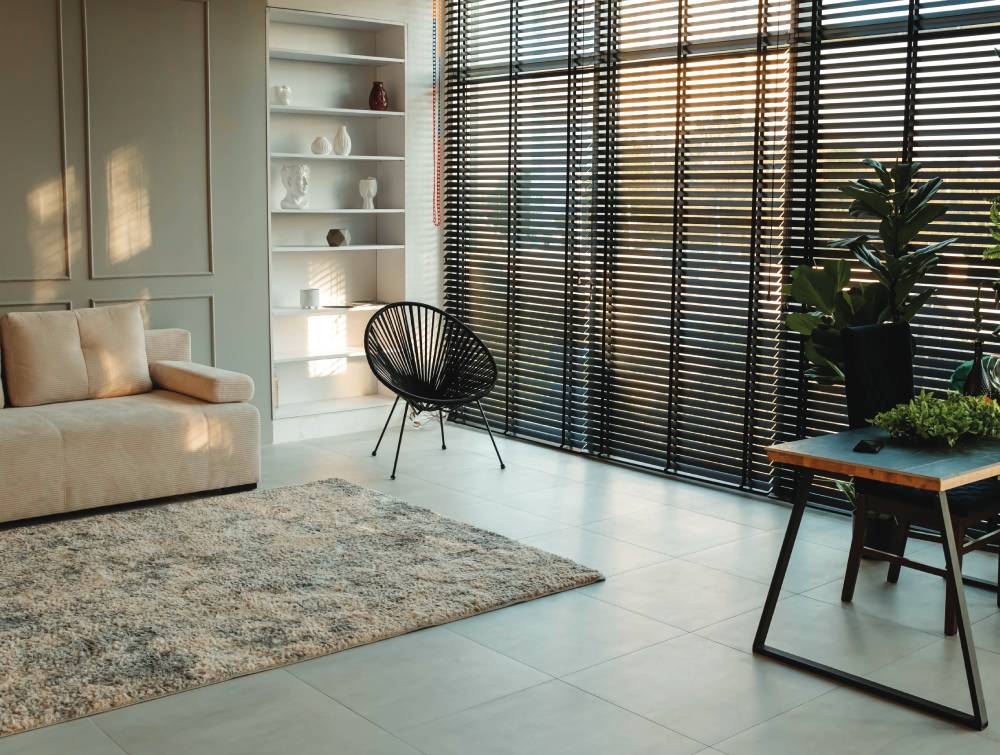
This sustainable strategy is particularly appropriate for Mauritius, where the tropical climate enables natural solutions such as passive ventilation and effective thermal insulation. By decreasing dependence on energy-draining air conditioning systems, eco-renovation provides a real solution to climatic challenges, ensuring comfortable indoor conditions throughout the year.
Durable and eco-friendly materials
By using energy-efficient materials in your renovation, you can improve your home's energy performance, ensure a comfortable and healthy living area, and support environmental sustainability. Recommended materials include:
Wood: used for structural frames, flooring, and partitions, is both visually appealing and a superb natural insulator. Its lightness makes it a perfect option for extensions and renovations, providing a cosy feel to interiors.
Stone: known for its robustness and thermal insulation properties, is commonly used in the coastal regions of Mauritius. It assists in regulating indoor temperatures by balancing heat and coolness, making it a durable option for buildings in tough climatic conditions.
Unprocessed earth: This traditional material is well-suited to tropical climates and provides excellent thermal and acoustic insulation. By employing unprocessed earth for walls, you can naturally regulate indoor temperatures, which lessens the need for air conditioning.
Brick: Solid and durable, is valued for its ability to store heat. It is often used for load-bearing walls and façades, thereby contributing to better thermal regulation in buildings. This traditional material is well-suited to tropical climates and provides excellent thermal and acoustic insulation.